Get Wood Siding Installation
Local contractors offer wood siding installation services to help property owners enhance curb appeal, repair damaged siding, and complete new construction or renovation projects.
Wood siding installation is a popular choice for property owners looking to enhance the appearance and durability of their buildings. Whether updating an existing exterior or planning a new project, understanding available options and finding experienced local contractors can make a significant difference. Exploring different service providers in the area allows property owners to compare approaches and select the right solution for their specific needs, ensuring the project aligns with both aesthetic preferences and practical considerations.
Choosing the right local contractors for wood siding installation can help ensure the work is completed to high standards and suited to the local climate and building requirements. Property owners often consider factors such as material quality, craftsmanship, and the reputation of service providers when planning their projects. Continuing to explore local options can provide valuable insights and connections to professionals who are well-equipped to handle the job efficiently and effectively.
- New Wood Siding Installation - needed when building a new home or structure requiring durable exterior cladding.
- Wood Siding Replacement - appropriate when existing siding is damaged, rotted, or outdated.
- Siding Repair Services - suitable for addressing minor damages, cracks, or warping in wood siding.
- Restoration and Refinishing - recommended for restoring aged wood siding to improve appearance and longevity.
- Custom Wood Siding Projects - ideal for homeowners seeking unique or decorative wood siding options.
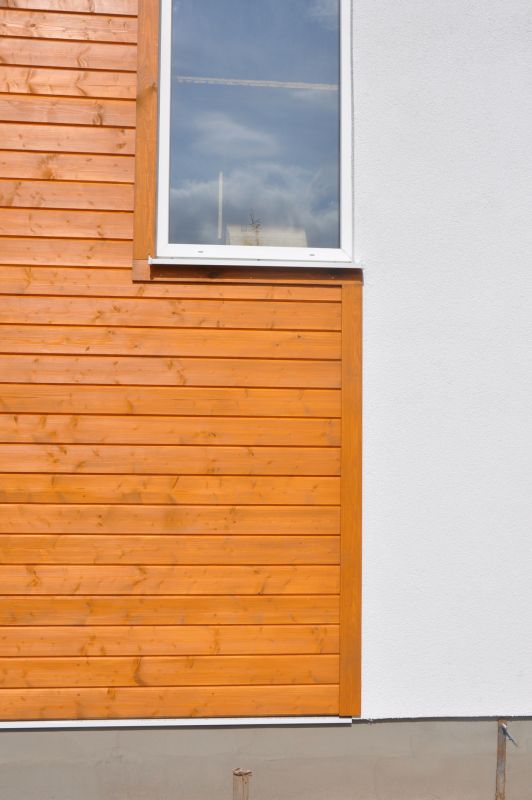
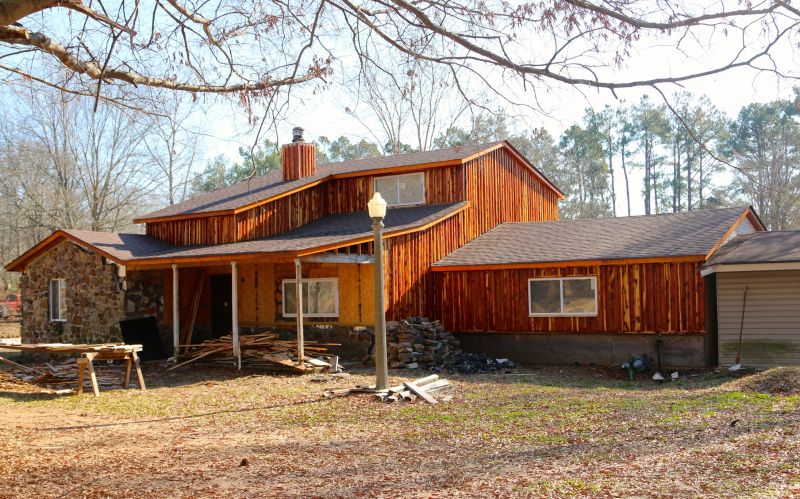
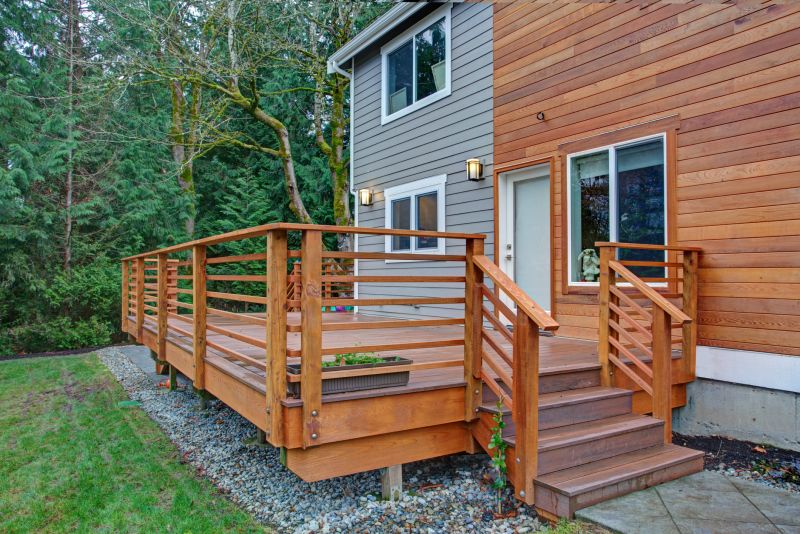
Wood siding installation involves attaching high-quality wooden panels to the exterior walls of a property to enhance its appearance and provide reliable protection against the elements. This service typically includes preparing the existing surface, selecting appropriate wood materials, and carefully installing the siding to ensure durability and a polished look. Proper installation is essential to prevent issues such as warping, cracking, or moisture infiltration, which can lead to costly repairs down the line. Experienced local contractors can assess the specific needs of a property and recommend the best type of wood siding to match the style and environmental conditions.
This service helps address common problems like rotting, warping, or damage caused by exposure to moisture, pests, or weather extremes. Over time, wood siding can deteriorate, leading to gaps, cracks, or an unsightly appearance that diminishes curb appeal. Installing new wood siding or replacing damaged panels can restore the structural integrity of a home’s exterior while improving insulation and energy efficiency. For properties experiencing ongoing issues with their current siding, a professional installation can provide a long-lasting solution that enhances both function and aesthetic appeal.
Wood siding is a popular choice for a variety of property types, including single-family homes, historic residences, and small commercial buildings. It is often selected for its natural beauty, versatility, and ability to be customized with different stains, paints, or finishes. Properties in neighborhoods with traditional or rustic architectural styles frequently utilize wood siding to maintain historic charm. Additionally, owners looking to upgrade or refresh the appearance of their property may opt for wood siding to achieve a warm, inviting look that complements other exterior features.
Homeowners considering wood siding installation should be aware of the signs indicating it might be time for an upgrade. These include visible damage such as cracks, warping, or rot, as well as increased energy bills or drafts that suggest insulation issues. If the existing siding is outdated, deteriorating, or no longer provides adequate protection, consulting with local service providers can help determine the best course of action. Professional contractors can evaluate the property, recommend suitable wood siding options, and ensure the installation is performed correctly to meet both aesthetic and functional needs.
The overview below groups typical Wood Siding Installation projects into broad ranges so you can see how smaller, mid-sized, and larger jobs often compare in your area.
In many markets, a large share of routine jobs stays in the lower and middle ranges, while only a smaller percentage of projects moves into the highest bands when the work is more complex or site conditions are harder than average.
Smaller Repairs - minor repairs or touch-ups typically cost between $250 and $600. Many routine jobs fall within this range, covering small sections or patchwork on existing siding.
Partial Installation - replacing or installing siding on specific sections or walls usually ranges from $1,000 to $3,000. Larger, more complex partial projects can approach $4,000 or more, but most fall within the mid-range.
Full Siding Replacement - complete installation of new wood siding on an entire home generally costs between $7,000 and $15,000. Larger or custom projects can exceed this range, though many projects stay within the mid to upper tiers.
Custom or Large-Scale Projects - extensive or high-end installations with premium materials can reach $20,000 or more. These projects are less common but represent the upper end of typical costs for high-quality, large-scale work.
Actual totals will depend on details like access to the work area, the scope of the project, and the materials selected, so use these as general starting points rather than exact figures.
Exterior Wall Cladding - Local contractors experienced in installing various types of exterior wall coverings often have the skills needed for wood siding installation, including surface preparation and finishing techniques.
Deck and Porch Building - Building decks and porches involves similar carpentry skills, planning, and use of tools as installing wood siding on residential exteriors.
Interior Wall Paneling - Installing interior wall paneling shares techniques with exterior wood siding, such as precise measurements, cutting, and fastening.
Fence Construction - Fencing projects require knowledge of wood framing and weather-resistant installation methods, aligning closely with siding installation skills.
Roofing and Soffit Installation - Installing soffits and roofing components involves working with wood and other materials, requiring similar planning and safety considerations as siding projects.
Exterior Trim and Molding - Applying exterior trim and moldings demands detailed carpentry work and attention to detail, paralleling the skills used in wood siding installation.
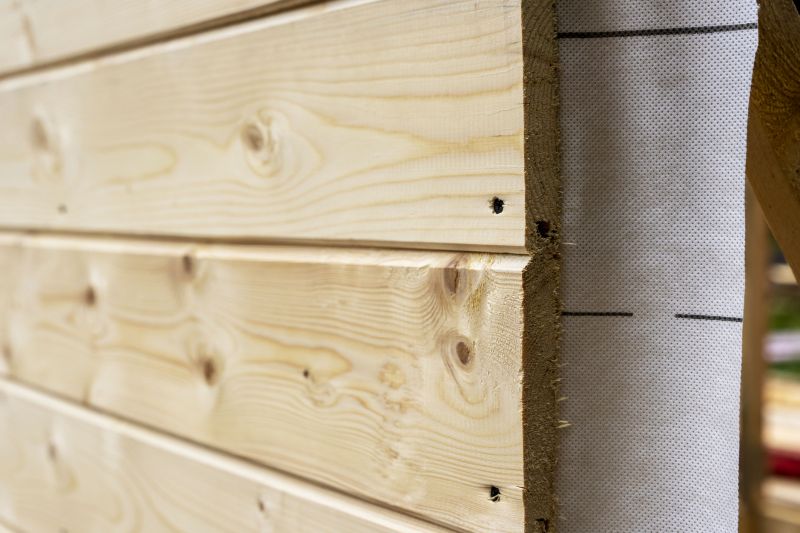
When comparing service providers for wood siding installation, it’s important to consider their experience with similar projects. A contractor who has a proven track record working with wood siding can better anticipate potential challenges and deliver quality results. Homeowners should inquire about the types of wood siding projects the contractor has completed, ensuring they have relevant hands-on experience that aligns with the specific style and scope of the home improvement. This familiarity can help ensure the chosen professional understands the nuances of working with different wood materials and styles, leading to a more successful outcome.
Clear, written expectations are essential when evaluating local contractors. A reputable service provider should be able to provide a detailed scope of work, outlining the materials, techniques, and finishes involved in the installation process. Having this information in writing helps prevent misunderstandings and ensures both parties are aligned on the project’s goals. It’s also valuable to ask for references or examples of completed projects, which can serve as a tangible indication of the contractor’s capabilities and reliability.
Good communication is a key factor in selecting a dependable contractor. Homeowners should look for service providers who are responsive, transparent, and willing to answer questions thoroughly. Open lines of communication facilitate a smoother project, allowing for timely updates and adjustments if needed. Keep in mind that the site introduces homeowners to local options, not that it performs the work itself. Finding a reputable, experienced, and communicative contractor can make the process of installing wood siding more straightforward and satisfying.
Property owners use Wood Siding Installation services for practical projects around their homes and businesses. This guide focuses on everyday jobs and straightforward project options.
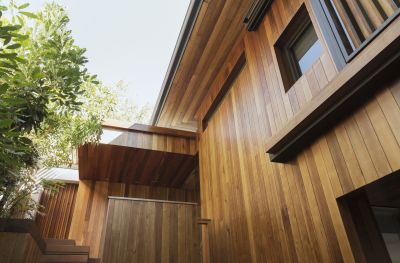
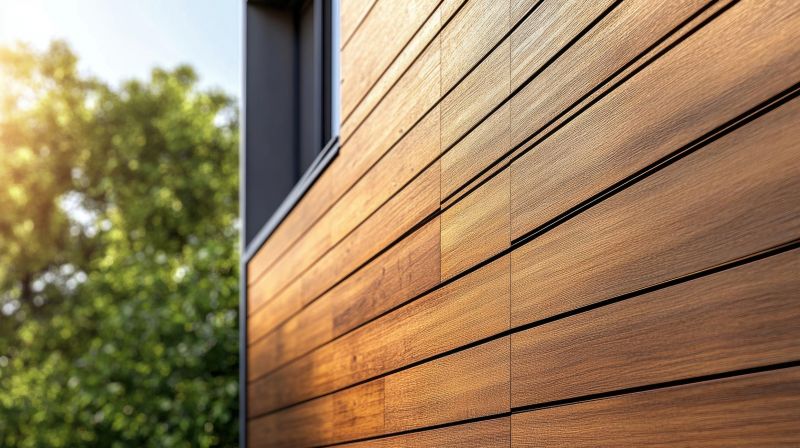
Wood siding installation is a common project for property owners who want to enhance the appearance and durability of their homes. Local contractors are often called upon when existing siding becomes damaged, warped, or outdated, or when homeowners decide to update their property's exterior for a fresh look. Additionally, those building new homes or replacing old siding may seek out experienced service providers to ensure the job is done properly and efficiently.
Property owners in the area might look for wood siding installation services to improve insulation, increase curb appeal, or address weather-related wear and tear. Whether upgrading a single section or undertaking a full exterior renovation, local service providers can help manage the project from start to finish. Connecting with experienced contractors can make it easier to find the right solutions for maintaining and beautifying a property’s exterior.
What types of wood siding installation services are available? Local contractors offer a variety of wood siding options, including traditional clapboard, shiplap, board-and-batten, and beveled styles, tailored to different home designs and preferences.
How do local service providers prepare for wood siding installation? They typically assess the existing exterior, ensure proper surface preparation, and select suitable materials to ensure durability and proper attachment of the wood siding.
What factors should be considered when choosing wood siding styles? Factors include the architectural style of the home, climate considerations, maintenance requirements, and personal aesthetic preferences, which local contractors can help evaluate.
Are there specific types of wood recommended for siding installation? Commonly used woods include cedar, redwood, and pine, chosen for their durability, appearance, and resistance to pests and decay, with local pros providing guidance based on local conditions.
What is involved in the process of installing wood siding? Installation typically involves measuring and cutting the siding, preparing the wall surface, applying weather-resistant barriers, and securely attaching the wood panels for a finished appearance.
Enhancing Curb Appeal - Wood siding installation can improve the exterior look of a home, making it more attractive and inviting for visitors and neighbors.
Upgrading Exterior Durability - Property owners may choose wood siding to protect their home from weather elements while adding a classic aesthetic.
Renovating or Remodeling - Installing new wood siding can be part of a larger home improvement project to refresh the appearance of a property.
Increasing Property Value - Properly installed wood siding can contribute to better resale value by improving the home's overall exterior quality.
If you are thinking about Wood Siding Installation for a property, this guide is meant to help you understand the work, the typical project types, and how different options might fit your plans.
When you are ready, you can use the quote form on this page to share a few details about your project. From there, local pros can review the basics and respond with options that match what you have in mind.